Following a sustained WOSCONET advocacy campaign that spanned six months, three local government areas in Enugu State formally committed in December 2024 to funding the construction of community boreholes and water access points in rural settlements within their jurisdictions. The commitment — made by the chairpersons of Igbo-Eze North, Awgu, and Isi-Uzo LGAs at a stakeholder forum convened by WOSCONET — represents a significant policy shift in how these councils approach rural water access, moving from reliance on irregular state capital allocations toward dedicated local budget provisions for water infrastructure.
The advocacy campaign began in June 2024, when WOSCONET's WASH programme team conducted a rapid water access survey across 24 communities in the three LGAs, documenting the distances women and girls travel daily to collect water, the quality and safety of water sources being used, and the health and economic consequences of inadequate water access at the household level. The findings were stark: in 18 of the 24 communities surveyed, the nearest functional water source was more than 1.5 kilometres from the community centre, requiring women to spend between two and four hours per day on water collection — time that could otherwise be devoted to income-generating activities, childcare, rest, or education. In several communities, the nearest water source was an unprotected stream or pond, presenting significant risks of waterborne illness.
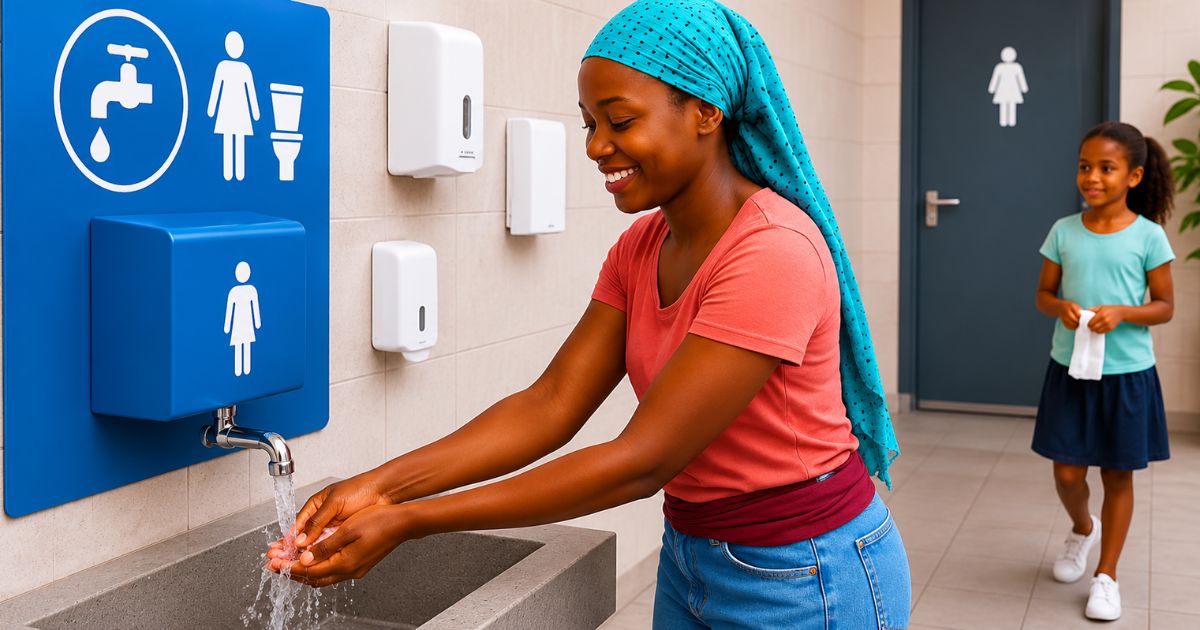
"Access to clean water transforms everything — it saves lives, keeps girls in school, and gives women back hours of their day."
WOSCONET used the survey data to produce a series of concise advocacy briefs, one per LGA, translating the findings into clear cost-benefit arguments addressed to local government decision-makers. The briefs highlighted the economic productivity losses associated with time spent on water collection, the healthcare costs attributable to waterborne diseases that could be prevented by clean water access, and the effect of inadequate water on girls' school attendance and performance. Each brief was accompanied by a community petition signed by women's groups, market associations, and church and mosque leaders, demonstrating grassroots demand for action. WOSCONET advocacy teams presented these materials in separate meetings with each LGA chairperson and council secretary, and followed up persistently over the subsequent months to maintain the issue on the councils' agendas.
The December stakeholder forum brought all three LGA chairpersons together with WOSCONET, Enugu State Rural Water Supply and Sanitation Agency (RUWASSA), community representatives, and media — creating a public accountability moment in which the LGA commitments were made openly and on record. RUWASSA confirmed it would provide technical oversight for borehole siting and construction, while WOSCONET committed to mobilising community water management committees in each beneficiary community, trained to oversee borehole maintenance and manage a small community fund for repair and upkeep. This community ownership model, which WOSCONET has refined through previous WASH interventions, is designed to ensure the boreholes remain functional for years after construction is complete.
As of the end of 2024, site assessment work had begun in all three LGAs, with the first boreholes expected to be commissioned in early 2025. WOSCONET is monitoring the process closely, maintaining regular communication with council officials and community leaders to ensure budget commitments translate into physical infrastructure. The organisation has also shared the advocacy methodology — survey design, brief development, multi-stakeholder forum approach — with peer civil society organisations in neighbouring states as a replicable model for local government WASH budget advocacy.